
A Successful Transaction May Be Just the Beginning
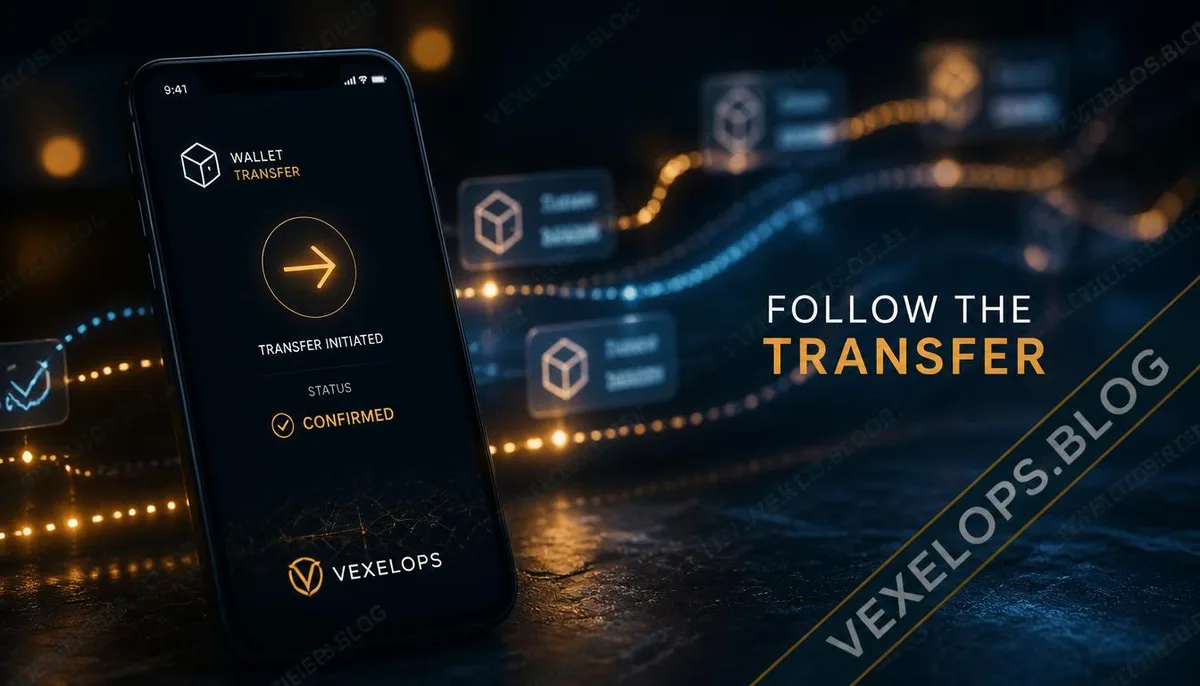
After being scammed in cryptocurrency, victims usually see only a few cold pieces of information: transaction time, amount transferred, wallet address, and a status indicating completion. For victims, this screen feels like a door that has already closed. The funds no longer appear in the original wallet, and the other party may suddenly stop responding. However, the completion of a transaction does not equate to all clues disappearing. Transactions on the blockchain typically leave a public record, but this record does not always directly reveal real names or immediately clarify who ultimately controls the funds. A particular wallet address may just be one intermediary point, possibly connected to other wallets, trading services, or different platforms. This is why victims should not rush to believe a stranger's claimed results based solely on a screenshot of a transfer. It's essential to clarify not only where the funds previously went but also who this person is, what information they used, and whether they proposed a formal course of action.
How Fake Exchanges Create the Illusion of Increasing Funds
Some scammers build seemingly complete trading websites or mobile apps. The screens may display real-time prices, profit numbers, member levels, and withdrawal buttons. Victims log in daily, seeing their account numbers grow, thus gradually believing their assets are increasing. The real issues often arise during the withdrawal process. Websites may demand payment of deposits, taxes, verification fees, or unblocking fees, stating that as long as the final step is completed, all funds can be retrieved. Public information from the Taipei District Prosecutor's Office indicates that fake investment platforms, fake exchanges, and fake apps may show false gains, subsequently demanding additional fees during the withdrawal stage. If victims have already paid once, scammers might continue to devise new reasons based on prior conversations. At this point, the asset numbers displayed on the screen do not necessarily represent actual withdrawable assets, and transaction records do not guarantee that the other party will pay as promised. What's truly needed is to save the complete information before and after each transfer.
Fake Customer Service and Follow-Up Scam Traps
When victims publicly seek help on Telegram, WhatsApp, Facebook, or other social platforms, they may quickly receive private messages from people claiming to be customer service representatives from exchanges, blockchain analysts, lawyers, or asset recovery experts. The other party usually knows which wallet the victim is using and can even accurately state the transaction time, making them appear to hold insider information. These individuals do not necessarily know the current location of the funds. They may gather information from public posts, images provided by the victim, or content in community groups, then build trust using professional terminology. Case data from TWCERT has reminded that impersonating exchange customer service to contact users seeking help may lead to another form of digital asset fraud. Readers need to understand that hackers and scammers are not the same concept. Hackers are individuals with technical skills that can be used for research, testing, maintenance, or investigation; scammers exploit deceitful tactics to obtain assets. When someone impersonates customer service and requests victims to pay again, the judgment should focus on their actions
What Blockchain Records Can Reveal
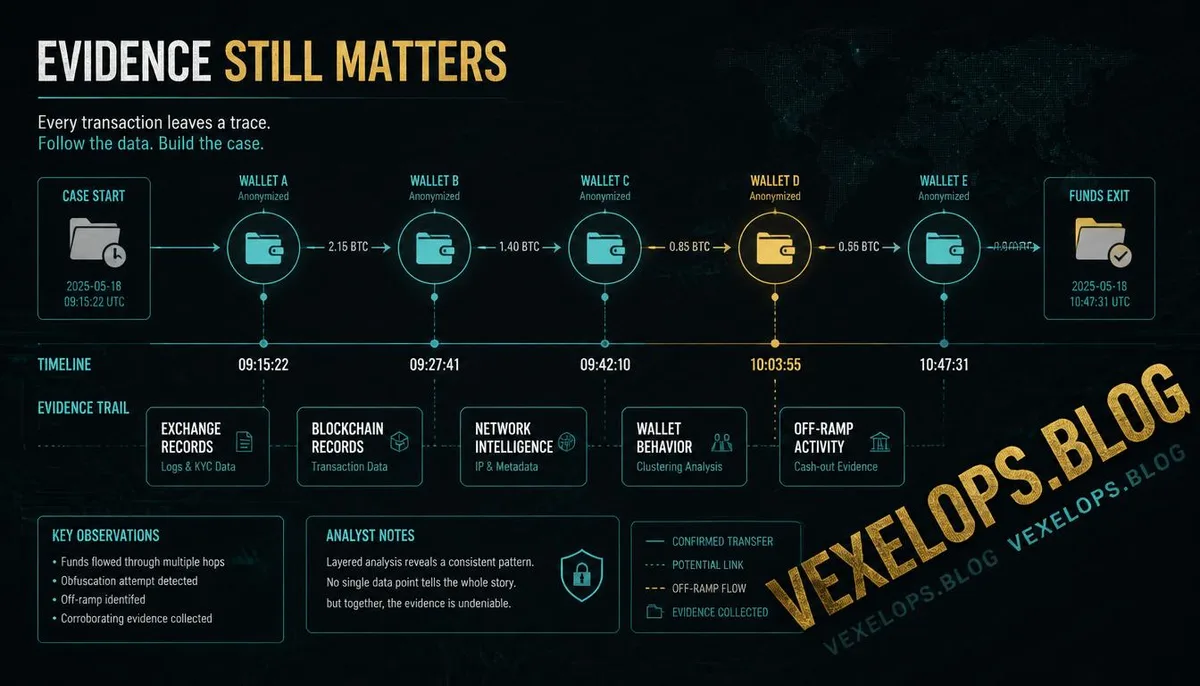
Blockchain records can confirm whether a transaction has occurred and which publicly visible addresses the funds have passed through. They can sometimes help investigators establish timelines and observe whether there are consecutive transfers between certain addresses. However, public records will not automatically reveal the true identity behind an address, nor can the sighting of an address alone allow one to freeze assets. Some funds may remain in private wallets, others may enter trading platforms, and some may undergo multiple transfers. The identification, preservation, and cooperation procedures of different platforms may differ, thus victims should not reach out to unfamiliar addresses or attempt to technically access the other party's account, private key, or internal platform data. If you need to organize an event, you can save the following information in chronological order:
- The time, platform, and account name of the initial contact.
- The website, app, wallet address, and payment demands provided by the other party.
- The time, amount, transaction ID, and receiving address for each transaction.
- Screenshots of conversations, voice recordings, emails, and payment proofs.
- Requested additional fees, guarantees of recovery, or withdrawal restrictions.
This information cannot guarantee that funds will definitely be recovered, but it can turn a chaotic conversation into a more easily verifiable timeline. Taiwan’s 165 Anti-Fraud Hotline offers fraud information releases, a 165 hotline and entry to a 165 anti-fraud dashboard, which can be prioritized when encountering suspected fraud for inquiry and assistance.
Is There Still Room for Action After the Funds Disappear?
Victims often fear hearing that funds have already been transferred, meaning there is nothing that can be done. However, the room for action after a transfer should not be judged solely based on whether recovery can be achieved 100%. Preserving evidence, confirming the receiving address, notifying relevant platforms, and seeking police or legal assistance may still help clarify the incident and reduce subsequent losses. At the same time, one must also accept a difficult reality: certain cases may ultimately not be able to recover all the funds. This does not mean that victims have no options, nor does it mean that every subsequent recovery service that appears is trustworthy. The more urgent the desire to recover assets, the easier it is to be exploited by a second promise. VexelOps can assist in organizing transaction times, wallet addresses, conversation content, and suspicious platform information, making it easier for victims to create an event record, but it does not guarantee recovery of funds and will not request private keys, login passwords, or wallet control rights.
Common Questions About Tracking Cryptocurrency Scams
Is it really possible to track funds after cryptocurrency has been transferred?
Some transactions may still be confirmable in publicly available blockchain records, including transaction time, amount transferred, receiving address, and subsequent transfer paths. However, public addresses do not necessarily correspond directly to real identities, nor can individuals generally request platforms to freeze assets. Whether further clarification can be achieved usually depends on whether the transaction data is complete, whether the funds have entered identifiable platforms, and whether relevant agencies can process the matter in accordance with the law.
Is it trustworthy when they say you need to pay first to recover funds?
This is a common high-risk signal. Scammers may use terms like deposits, taxes, unblocking fees, lawyer fees, or on-chain verification fees to make victims believe they are just one step away. Any service should first verify the true identity, company information, formal contracts, and verifiable service channels. Even if the other party can state your transaction time or wallet address, it cannot alone prove their ability to recover funds.
What should victims save at the first instance?
Victims should save complete conversations, account names, website URLs, app names, transaction IDs, wallet addresses, payment proofs, and all demands for additional fees. Do not only save the last screen, as previous and subsequent times and how the other party guided you through the transfer may also be important clues. Also, do not delete chat logs or reinstall wallet apps unless necessary data has already been saved and official assistance has been sought.
One Key Takeaway: Blockchain may leave clues, but it does not guarantee funds will be recovered; first collect evidence, then avoid second-round recovery scams.